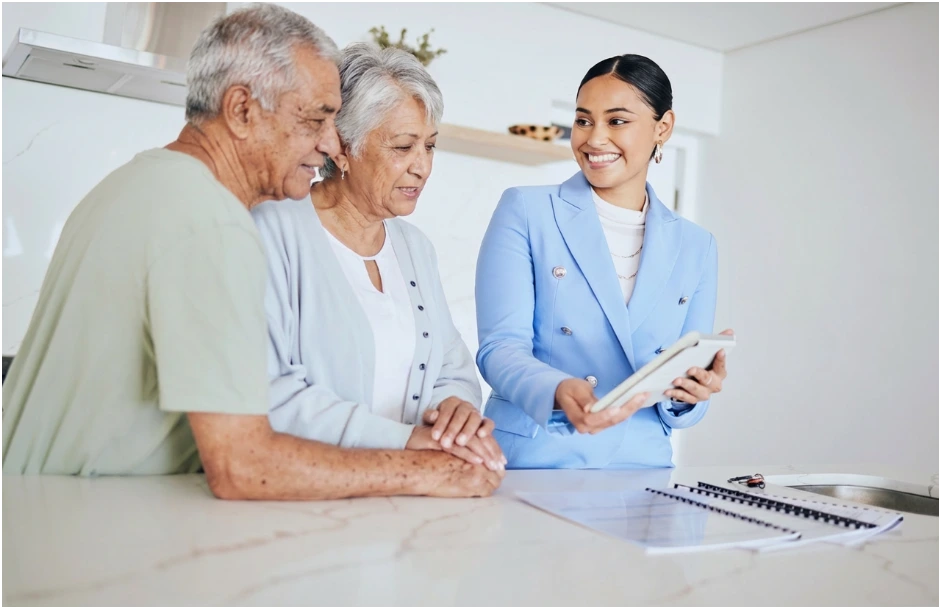
Technology for Caregivers: Essential Tools for Better Care Management
Providing care for an older adult often means balancing many responsibilities — scheduling appointments, keeping up daily routines, running errands for them and yourself — all while also keeping up with your own commitments. It’s deeply rewarding, but can also feel overwhelming at times. Thankfully, the technology available to caregivers today offers practical tools to make daily support more manageable.
From scheduling rides to keeping up with medications and appointments, technology for caregivers continues to evolve in ways that support both seniors and those who care for them. Below, we’ll walk through five ways caregiver support technology can help simplify daily tasks, improve communication, and provide added peace of mind.
1. Arranging Transportation Without Stress
When driving is no longer an option, transportation often becomes one of the first challenges caregivers face. Getting to doctors’ appointments, running errands, or attending social activities can quickly turn into a scheduling headache.
Fortunately, rideshare technology such as Uber and Lyft provides caregivers with flexible transportation options beyond relying on family members. Caregivers can request rides remotely and track trips in real time, which is especially helpful for loved ones who need occasional assistance getting around.
For seniors who aren’t comfortable using smartphone apps, GoGoGrandparent offers a phone-based alternative. Seniors can schedule rides by calling, while caregivers receive text updates when the ride is booked, the rider is picked up, and the ride is completed.
Some insurance plans, including certain Medicare Advantage plans, also offer transportation benefits for medical appointments through services like Veyo. Exploring these resources can help seniors remain independent while reducing caregiver stress.
2. Managing Medical Appointments More Easily
Medical appointments typically become more frequent with age, especially for seniors managing chronic conditions. Coordinating multiple providers, follow-ups, and test results can be time-consuming without the right tools in place.
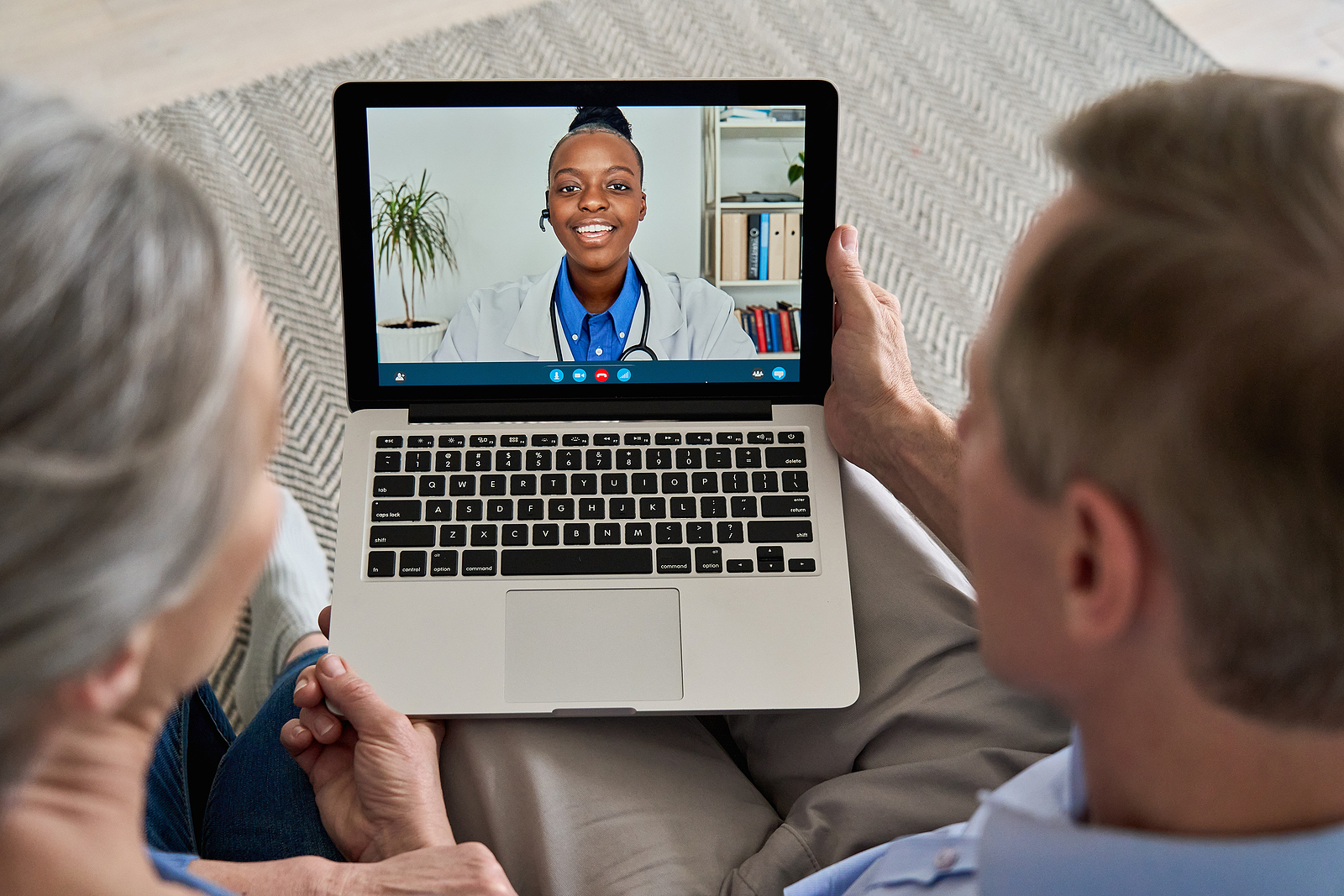
Although some situations require in-office visits, nowadays, telehealth appointments can be a helpful option for follow-ups or treating mild illnesses. New technology for caregivers includes telehealth platforms such as Teladoc and Amwell, which make it easier to attend routine or follow-up appointments without leaving home. These virtual visits make it especially easier on caregivers as they reduce transportation challenges and time away from work. Plus, many insurance plans now include telehealth coverage.
Online scheduling tools like Zocdoc also make it easy for caregivers to find providers, check availability, and book appointments. Many healthcare systems also offer patient portals, such as MyChart, where caregivers can manage appointments, review test results, message providers, and request prescription refills in one place.
To keep everything organized, shared calendars like Google Calendar or Cozi can help families and caregivers track appointments and avoid conflicts, especially when multiple caregivers are involved.
3. Getting Help With Everyday Tasks at Home
Caregiver technology extends beyond appointments and transportation. Smart home tools can make everyday tasks easier while supporting safety and independence.
For example, smart locks can help prevent worries about lost keys and let caregivers manage access for home health aides or family members remotely. Smart lighting systems can improve visibility for seniors, helping reduce fall risk, especially at night or for those with memory concerns.
Voice-activated assistants like Amazon Alexa and Google Assistant can help with simple daily tasks, such as setting reminders, making phone calls, and controlling household lights and thermostats via voice commands. These tools are especially helpful for seniors who may have mobility or vision limitations.
Lastly, smart doorbells with video cameras let seniors see who’s at the door without opening it, while caregivers can check in remotely if needed.
Together, all of these tools and technologies for caregivers create a safer home environment for seniors and provide peace of mind for caregivers.
4. Staying on Track With Daily Reminders
Keeping up with daily routines, especially medications, can be one of the most challenging parts of caregiving. Caregiver support technology helps turn these routines into something more manageable.
Medication management apps like Medisafe, CareZone, and MyTherapy send reminders, track doses, and store important health information in one place. Some apps even allow caregivers to receive alerts if a dose is missed, providing added reassurance.
Voice assistants can also be used to set daily reminders for medications, meals, hydration, or exercise. Over time, these tools help establish consistent routines that support both physical health and peace of mind.
By reducing guesswork and missed steps, this type of caregiver technology helps caregivers feel more confident that daily needs are being met.
5. Making Shopping and Errands More Manageable
Running errands and grocery shopping can become difficult for seniors, especially when mobility or transportation is limited. Technology for caregivers offers convenient alternatives that help make shopping more manageable.
For example, grocery delivery services and apps like Instacart let caregivers place orders remotely or create shared shopping lists. Many pharmacies also offer automatic refills and home delivery, ensuring medications arrive on time without extra trips.
Additionally, shared list features through apps or voice assistants can also make it easier for seniors to add items as they think of them, keeping caregivers informed without constant check-ins. These small conveniences can make a big difference in day-to-day life.
Using Technology to Support Care, Not Replace It
While technology for caregivers can be incredibly helpful, the goal is to support care, not complicate it. Start by identifying your biggest challenges and introducing one or two tools at a time. It’s also important to consider the care recipient’s comfort level with technology and provide guidance as needed.
After all, caregiving takes planning, support, and the right tools. But by using caregiver support technology thoughtfully, caregivers and families can feel more confident, connected, and supported every step of the way.
For those exploring senior living options that combine personalized care with modern tools and conveniences, The Bristal offers an independent lifestyle, assisted living, and memory care designed to support both seniors and their families. Reach out to learn more or schedule a tour today.